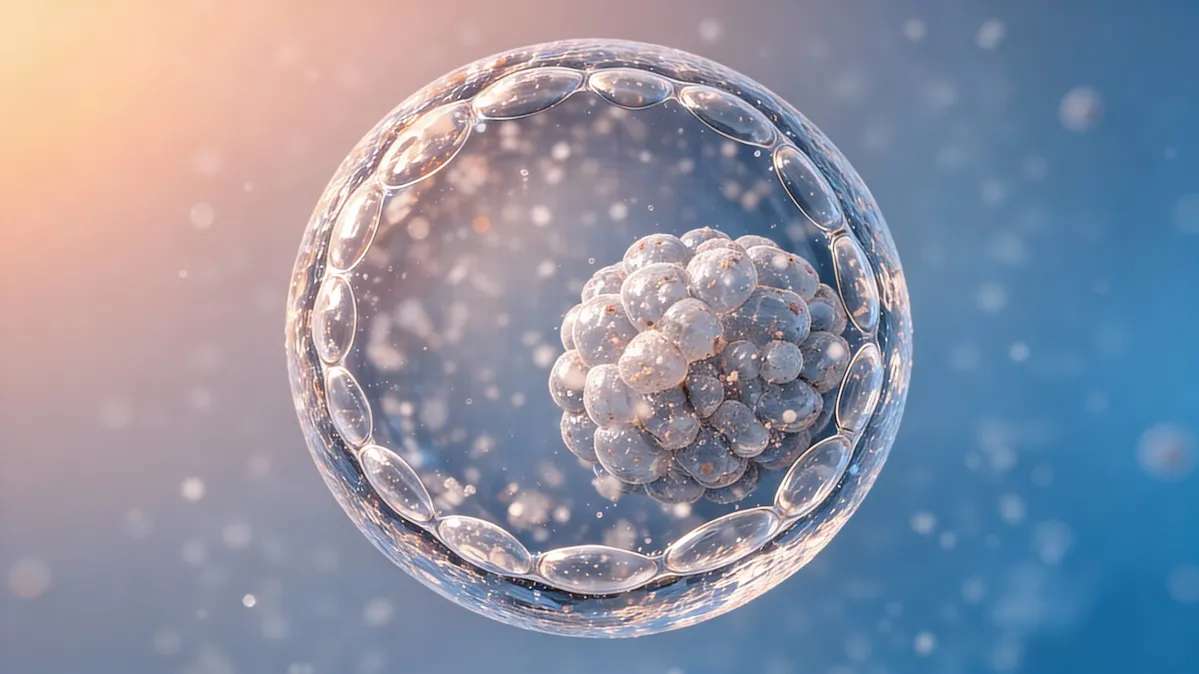








A DISRUPTIVE CONCEPT in Medically Assisted Reproduction

ADVANCED EMBRYO NURTURE

i n v o L a b  is developing a new intrauterine device named UteroPodTM  - a small, porous capsule -  allowing to IVF-derived embryos after conventional or AI-assisted ICSI (intracytoplasmic sperm injection) - to be incubated into the Mother‘s womb - a more physiological environment with biochemical signals and protective factors, offering defenses against oxidative stress during this critical phase.
WHy?

Despite the milestone of 10 million babies born by IVF in 2025, traditional laboratory settings face significant biological hurdles:

Suboptimal Culture Medium
Difficulty in replicating the complex in vivo composition (amino acids, proteins, antioxidants, compound interactions, and timing) while avoiding ammonium toxicity.
Superior in vivo Development
Animal studies consistently demonstrate better embryo development in vivo compared to in vitro.
Epigenetic Impact
Potential alteration of DNA methylation during the critical epigenetic remodeling that occurs between fertilization and implantation.
Static Environments
Unlike the dynamic flow of life, embryos in labs sit in static drops on polystyrene Petri dishes, covered by paraffin oil to maintain osmolality.
Oxidative Stress
Common in vitro conditions can lead to mitochondrial dysfunction and decreased telomerase activity.
Biological Isolation
A total absence of the crucial "cross-talk" between mother and embryo during the most sensitive stage of life.
Long-term Health (DOHaD)
Traditional IVF is associated with higher risks of birth defects and perinatal morbidity due to suboptimal early nurture.
how?

UteroPod™
(The "Uterine Rescue Effect") 

UteroPod™ is a disruptive intrauterine platform. It allows IVF-derived embryos to develop within the mother’s womb (in vivo) before proceeding to conventional selection (PGT-A) or cryopreservation.

Why the womb may enhance embryo development:
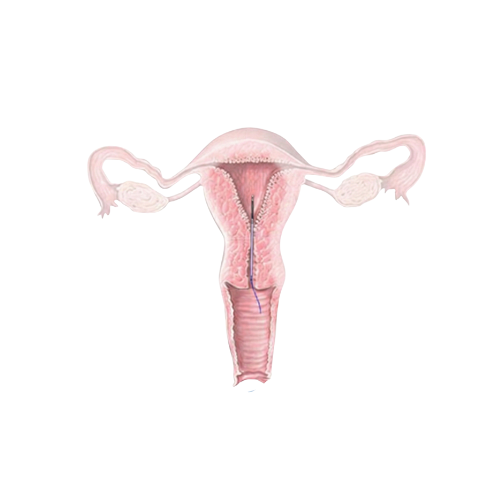
Restored Embryo-Maternal Cross-Talk
Re-establishing the exchange of extracellular vesicles and bioactive cargo (proteins, RNAs, microRNAs, and growth factors).
Optimal Physico-Chemical Conditions
Naturally regulated temperature, light protection, gas pressures (CO2, O2) can perfectly replicate.
Dynamic 3D Space
Moving from a 2D Petri dish to a 3D environment enriched by uterine and oviductal fluids.
Physiological Fluid Dynamics
The presence of highly viscous reproductive fluids secreted by endometrial glands and fallopian tubes provides a superior nutritional and physicochemical environment.
A TWO-JOURNEY
INSIDE THE MOTHER'S WOMB, BATHED IN ENDOTRIAL FLUID OF AN INCREDIBLE AND NOT DECIPHERED COMPLEXITY.

To the best of our knowledge, we are the first team in the world to embrace the challenge of converting the uterine cavity into a natural incubator, offering embryos a controlled, real-time in utero culture system.
Benefits

12 Strategic Advantages of In Vivo Incubation

Early biological recognition by the embryo and the mother in standard IVF/ICSI or oocyte donation programmes
Reduced Oxidative Stress with preservation of mitochondrial health and DNA integrity.
Green Technology: A lower carbon footprint for the IVF laboratory.
Epigenetic Safety: Lower risk of DNA methylation alterations.
Cost-Efficiency: Reduces the heavy reliance on complex lab-controlled environments.
Physiological Hatching: Supports the natural in vivo hatching process
Safety & Efficacy: Enhances the invasive phenotype and implantation capacity.
The Rescue Effect: The uterus may "rescue" embryos that would otherwise fail to reach the blastocyst stage in vitro.
Hybrid Embryos: The perfect synergy between bioengineering and nature.
More ethic: A more respectful, patient-centered path that is closer to in vivo conditions
Mother and father more implicated into the reproductive process helping them feel more connected to the baby's development from the earliest stages
Early in vivo embryo nutritherapy (diet, folic acid) or other treatments (hormones) by the mother
THE PROCESS

A microfluidic system allows early embryos to escape several days in vitro culture conditions by via passive transfer from Petri dish to the UteroPodTM. This enables development  to continue within the the uterine environmentthe most sophisticated incubator, perfected over hundred millions years of evolution - and to return back into the in vitro system and vitrification for further final intrauterine embryo transfer.    

01
Gamete Preparation
02
Intrauterine Placement
03
In Vivo Fertilization & Development
04
Retrieval, Assessment & Transfer
05
Ongoing Care & Monitoring

1. Gamete Preparation

The physician collects eggs and sperm, performs ICSI (intracytoplasmic sperm injection), then carefully places the fertilized gametes inside the UteroPod — a small, porous capsule designed to allow natural uterine fluids to flow through.

2. Intrauterine Transfer

The sealed capsule is gently inserted into the uterine cavity through a simple, minimally invasive procedure — similar to an IUI or embryo transfer. From this moment forward, the embryo develops in its natural environment, the mother's uterus, rather than in a lab incubator.

3. In Vivo Early and Development

Over the next few days, fertilization and early development occur naturally inside the mother's body. The embryo benefits from the uterine environment's biochemical signals and protective factors, offering natural defenses against oxidative stress during this critical phase.

4. Retrieval, Assessment & Transfer

After 3–5 days, the capsule is gently retrieved from the uterus. The embryos are briefly examined in the laboratory to assess their quality and stage of development. The best embryo(s) are then selected for immediate transfer back into the uterus, or they can be cryopreserved for future use.

5. Ongoing Care & Monitoring

Following transfer, the patient receives standard post-procedure care and monitoring, similar to conventional IVF. Pregnancy testing follows at the usual clinical timeline, with full medical support provided throughout the process to ensure optimal outcomes and patient well-being.

1. Gamete Preparation

The physician collects eggs and sperm, performs ICSI (intracytoplasmic sperm injection), then carefully places the fertilized gametes inside the UteroPod — a small, porous capsule designed to allow natural uterine fluids to flow through.

2. Intrauterine Transfer

The sealed capsule is gently inserted into the uterine cavity through a simple, minimally invasive procedure — similar to an IUI or embryo transfer. From this moment forward, the embryo develops in its natural environment, the mother's uterus, rather than in a lab incubator.

3. In Vivo Early and Development

Over the next few days, fertilization and early development occur naturally inside the mother's body. The embryo benefits from the uterine environment's biochemical signals and protective factors, offering natural defenses against oxidative stress during this critical phase.

4. Retrieval, Assessment & Transfer

After 3–5 days, the capsule is gently retrieved from the uterus. The embryos are briefly examined in the laboratory to assess their quality and stage of development. The best embryo(s) are then selected for immediate transfer back into the uterus, or they can be cryopreserved for future use.

5. Ongoing Care & Monitoring

Following transfer, the patient receives standard post-procedure care and monitoring, similar to conventional IVF. Pregnancy testing follows at the usual clinical timeline, with full medical support provided throughout the process to ensure optimal outcomes and patient well-being.

Nature
for
Eternity.
Our team

A multidisciplinary team combining scientific excellence, clinical expertise, and medical innovation.

Executive & Operational Team
Team member
Pascal Mock, MD, MSc | Founder, Chairman & CEO
Reproductive medicine specialist and inventor of the in utero embryo culture system.
Serge Dedeyne | Project Operations & Engineering
Engineering and operations expert with extensive experience in Swiss biotech and medtech project development.
Delphine Balmer | Business Developer
Strategic partnerships and business development specialist with expertise in life sciences and biotech innovation.
Aurelie Mock | Manager Assistant
Administrative support specialist ensuring smooth operations and team coordination.
Peter Svalander, PhD | CSO
Former CEO of Vitrolife and pioneer in embryology and IVF technologies.
Hervé Elletro | Engineer
Lead technology officer overseeing technical development and industrialization.
Sorina Plass | Regulation
Expert in medical device regulatory affairs (MDR) and quality assurance for clinical validation.
Lydia Wehrli, PhD | Postdoctoral Biologist
Postdoctoral biologist specializing in reproductive biology and toxicology, with experience in gonadal sex differentiation and male infertility research.
Scientific Advisory Board
Pr. Umberto Simeoni
Professor of Pediatrics at University of Lausanne and Director of DOHaD Research Unit at CHUV, President of the European Association of Perinatal Medicine.
Pr. René Frydman
Pioneer of IVF in France (father of the first French "test-tube baby") and world-renowned specialist in reproductive medicine.
Marc Van den Berg
Senior embryologist with long-standing experience in IVF laboratory practice, quality optimization, and training in assisted reproduction.
Pr. Francesco Bianchi-Demicheli
Professor of psychiatry and psychotherapy and leading expert in sexual medicine, specializing in the neurobiology of desire, couple sexuality and the psychological aspects of infertility and assisted reproduction.
Our Technology: Bridging Bioengineering & Reproductive Medicine

We may consider the UteroPod™ platform—as a sophisticated intra-uterine support system designed to host embryos during their first days of life 

Our challenge in R&D:

  1. To choose the best material of membrane according to characteristics of reproductive fluid and softness of endometrial tissue in order to minimize immunological reaction (foreign body), bleeding or other maternal discomfort. 
  2. To optimize permeability: Our prototypes feature semi-permeable, porous, and open membranes to maximize the flow of natural nutrients and maternal factors. 
  3. To design the best medical-grade device engineered for seamless insertion and retrieval, prioritizing maternal comfort. To design the best microfluidic system which permits to load and take off embryos with capillarity.

Our final objective With uteropods with in utero culture system is to create: A New Generation of "Hybrid Embryos" invitro/invivo As we surpass the milestone of 10 million IVF babies, we are entering the era of Enhanced Nurture.

Location & Status:
Developing at the heart of Switzerland's Health Valley.
Currently in R&D phase at Superlab Suisse, Campus Biotech (Geneva) — building preclinical data and preparing clinical validation.

Contact us

Interested in clinical collaboration, funding, or scientific research?

Pascal Mock, MD, MSc
Founder, Chairman & CEO
i n v o L a b SA
5 rond-point de Plainpalais
1205 Geneva, Switzerland
Thank you for reaching out. We've received your message and will get back to you shortly.
Something went wrong. Please try again or contact us directly via email or phone.